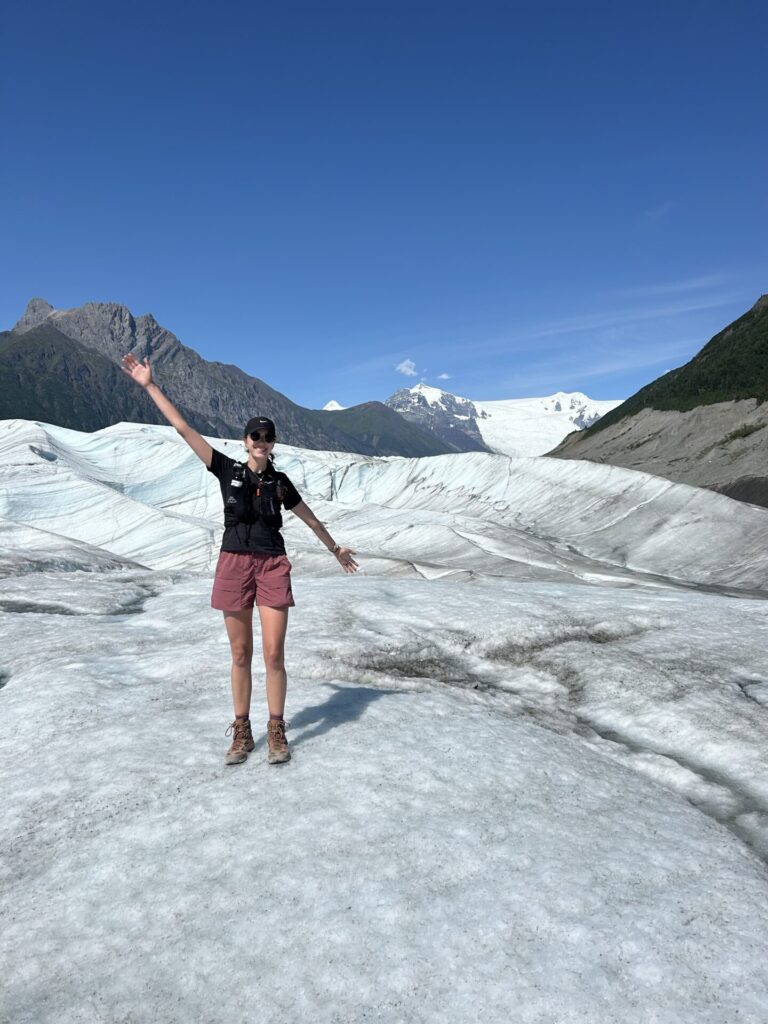
Stay Durable in the Mountains!
As the Summer ramps up, the weather gets nicer, the days get longer, you find yourself wanting to spend more and more time outside. Whether you are bagging peaks, squeezing in a hike after work, chasing daylight up a ridge, or adding “just one more mile” because the view keeps getting better, you are out there making the most of the short summer.
One aspect of enjoying the mountains that many people forget about is strengthening major muscle groups, building muscular endurance and working on balance in addition to slowly increasing mileage and building up your cardiovascular system.
At Empower Physical therapy we work with patients who want to make sure that pain is not limiting them from making the most out of every beautiful day this summer.
Who can benefit?
Anyone who:
- Hikes, trail runs, skis, or climbs regularly
- Takes on steep, uneven terrain
- Stack activity days without structured recovery
- Pushes vertical gain as much as distance
This kind of movement builds incredible endurance, but it also creates unique physical demands. This includes accounting for the weight of your pack and gear, uneven and uncertain terrain that challenge your single leg balance, and joint stress that uphill and downhill activities put through all of the joints of your feet, ankles, knees and hips.
The Most Common Breakdowns We See
Unlike traditional sports injuries, these injuries tend to come from slower-building issues:
- Persistent knee pain on descents
- Tight or irritated hips after long climbs
- Achilles or calf strain from steep grades
- Low back fatigue from pack load
- Ankle instability on uneven terrain
These don’t always stop you right away but they chip away at your ability to keep going.
- Persistent knee pain on descents can be due to the increased demand that gravity, your body weight and your gear put on your quadriceps and can increase the load going through your knee joint leading to pain if you do not properly train and strengthen your knees adapt to this increase in load.
- Tight or irritated hips after long climbs are commonly due to lacking strength in the muscles that function to stabilize your hips while under increased demand and often times from muscle imbalances.
- Achilles or calf strain from steep grades due to prolonged periods of time with your toes being pulled upwards (dorsiflexion) causing a stretch on your calf while you are performing explosive movements to propel yourself upwards which can irritate tissue that has not been trained to respond to this type of activity.
- Low back fatigue from pack load is often from lack of core stability and endurance which will result in increasing the demand of your low back muscles.
- Ankle instability on uneven terrain likely due to chronic weakness of the supporting muscles at the bottom of the foot and ankle that are your first line of defense against any balance challenge.
Why “Toughing It Out” Backfires
It’s easy to ignore the early signs, especially when there’s only so many nice days in a summer:
“It only hurts on the way down.”
“It loosens up after few miles.”
“I’ll rest after this next trip.”
In our experience, the athletes who stay active the longest aren’t the toughest they’re the ones who adapt early and train often.
Small mobility restrictions or strength imbalances can quietly turn into compensations, altered movement patterns, and lead to higher injury risk under fatigue.
Building a Body That Matches Your Lifestyle
Building a Body That Matches Your Lifestyle
At Empower Physical Therapy, our therapists can help make sure that your body is ready for the mountains.
Instead of just treating pain, we focus on building a body that can handle:
- Vertical gain
- Long descents
- Uneven terrain
- Repeated efforts week after week
1. Mobility Where You Need It
- Ankles- ensuring proper mobility of ankles can increase your control with downhill activity through increasing impact absorption and improving your dynamic balance.
- Hips- increasing hip mobility can help increase stride efficiency uphill by allowing for maximum power production through your glutes and hip flexors to help drive you uphill.
2. Strength That Transfers to the Trail
- A strong posterior chain will help stabilize your spine to account for the extra weight of your pack, protect your knees, and allow for increased stability and balance for downhill descents.
3. Balance & Proprioception
- Training your body to react to unpredictable terrain by increasing balance strategies through the ankles and hips to reduce injury risk and maximize efficiency.
- Single- leg stability for both uphill and downhill control as well as with stepping on uneven surfaces.
4. Load Management
- Following a plan of slowly increasing mileage, elevation, or pack weight and giving your body time to adapt to these loads before increasing the demand.
You might benefit from a movement assessment and physical therapy if:
- You feel pain more on descents than climbs
- One side always feels tighter or weaker
- You’ve “rolled” the same ankle more than once
- You avoid certain terrain because of discomfort
Keep Showing Up to the Mountains
You don’t need to stop doing what you love to stay pain free.
You just need a plan that properly supports and strengthens your body to keep you in the mountains longer.
At Empower Physical Therapy, we can help you:
- Move more efficiently
- Stay consistent
- Build long-term durability for the lifestyle you love
Whether you’re chasing your next summit or just trying to feel better on the trail, our team is here to help.
Schedule an evaluation today and keep doing more of what you love without limitation!