

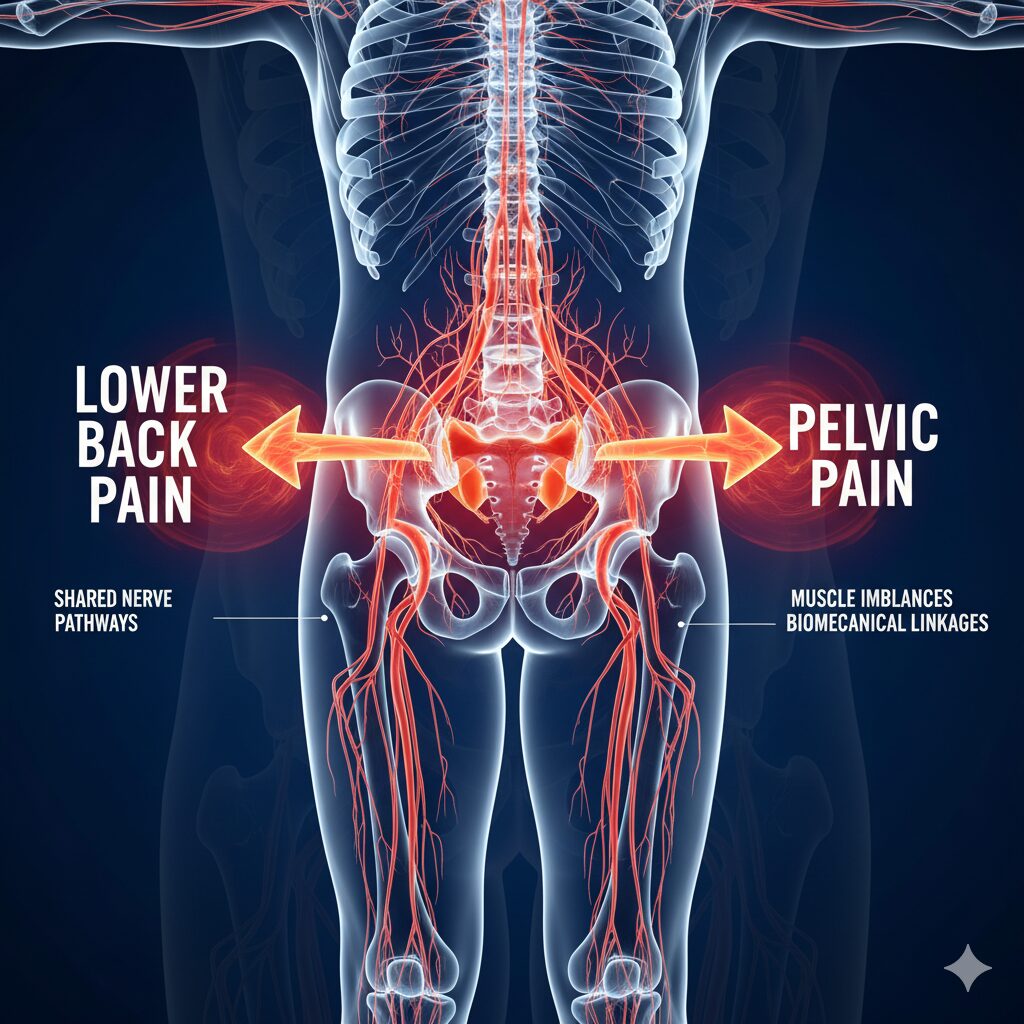
The Relationship Between Lower Back Pain and Pelvic Pain
November 2025 Newsletter
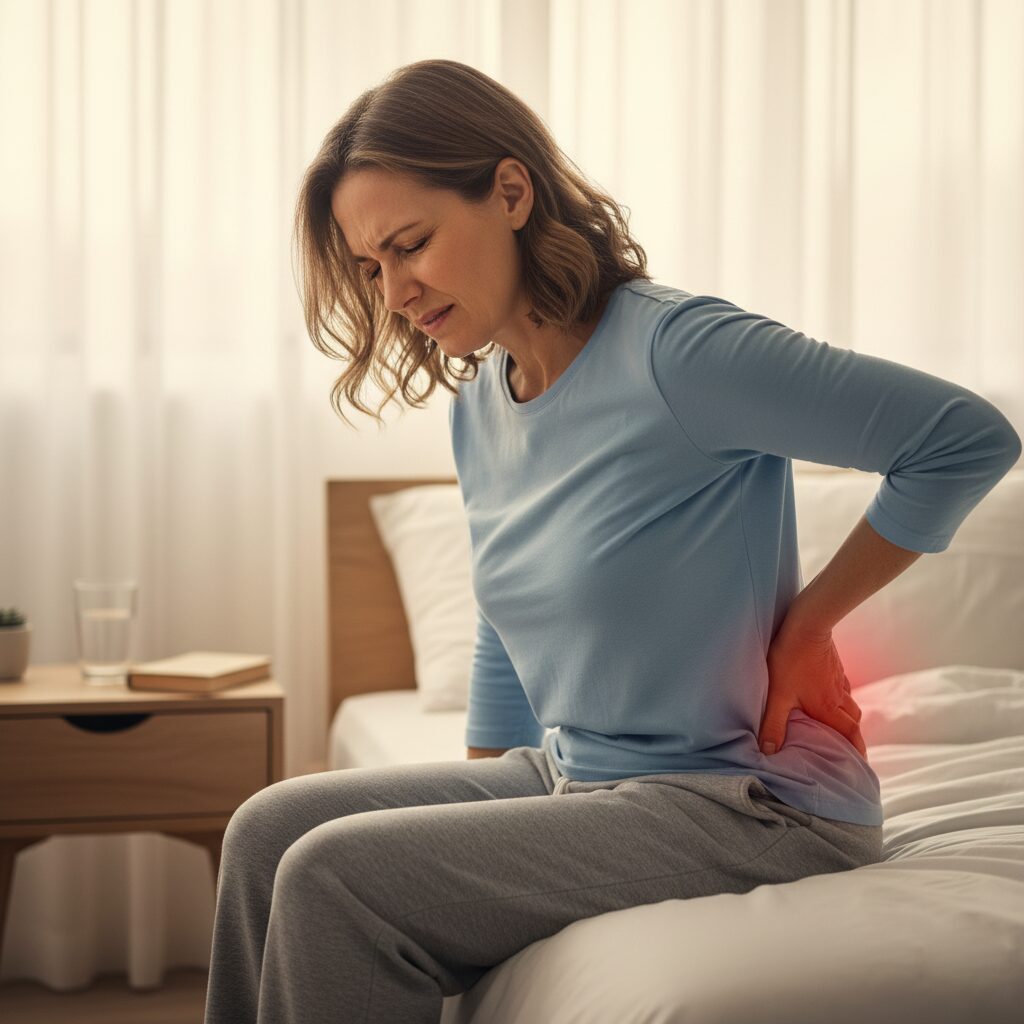
Most of us will experience back pain at some point in our lives. We might get a little too enthusiastic when moving furniture or develop muscular imbalances due to a sedentary job. But sometimes, back pain isn’t really back pain–rather, it’s rooted in dysfunction in your pelvic area.
Unfortunately, pelvic pain is often harder to discuss than back pain. It often stems from dysfunction with your pelvic floor, the band of muscles that support your bladder, bowels, and genitals. It can also indicate an issue with your sacroiliac joints.
Both back and pelvic pain can strike men and women–but women do tend to have more issues with pelvic pain, including pelvic-related back pain. Bodily changes during pregnancy are an especially common culprit.
If you’re dealing with pain in your lower back or pelvic area–or both–call Empower Physical Therapy to schedule an appointment. We’ll help determine the actual source of your pain so you can find lasting relief.
Understanding the Causes of Lower Back and Pelvic Pain
Lower back pain is widespread and has several potential causes, including herniated discs, sprains and strains, poor posture, and spinal arthritis–not to mention various contributing factors like poor posture or muscular weakness.
But if that pain spreads into your pelvic area, there may be something else going on. In fact, lower back pain without a clear underlying cause often stems from dysfunction in the pelvic area, such as the following:
- Impaired pelvic floor: Did you know that your pelvic floor muscles make up part of your core, which supports and stabilizes your spine? If your pelvic floor muscles are weakened or impaired, your back muscles have to do more work to compensate–setting you up for muscle strains or other injuries.
- Sacroiliac joint dysfunction: The sacroiliac joint is the joint that links the spine to the pelvis, so it should be surprising that if something’s wrong there, you may feel pain in both your lower back and your pelvic area. Arthritis, injury, and pregnancy can all cause issues in the sacroiliac joint.
- Pregnancy: Pregnancy itself is a common cause of pain throughout the lower back and pelvic area. There are two main reasons for this:
- Hormonal changes cause your ligaments to become looser in preparation for childbirth, which puts strain on your lower back and pelvis.
- Your center of gravity changes, and your growing baby can force your hips back at an awkward angle, leading to pain.
Helping You Find Relief, No Matter the Source
When it comes to pain in your lower back and pelvis, the first step our therapists take is to identify the source of your pain. That way, we can provide the customized treatment you need to resolve the pain at its root rather than merely treating symptoms.
We’ll begin with a comprehensive evaluation. Our therapists provide a welcoming, discreet space where you can freely share your symptoms–including pelvic-related symptoms that might feel embarrassing. Make sure you share…
- The exact location of your pain
- The pain’s sensations–is it burning? Dull? Aching?
- When do you feel pain? Is it persistent? Do you mostly notice it when you wake up?
- Any restrictions in range of motion you might be experiencing
- Any pelvic-related symptoms you might be experiencing, such as incontinence or sexual dysfunction
Once we’ve reviewed your symptoms and taken a full health history, we’ll conduct an in-depth physical evaluation, including running several movement screens. All this information helps us determine whether or not your pain is rooted in your lower back, pelvic area, or somewhere else–and that helps us develop your personalized treatment plan.
Targeted Treatments So You Can Find Relief
Our treatment plans will vary based on your exact needs. In general, though, we aim to help you with the following:
- Find immediate pain relief through manual therapy techniques or gentle stretches
- Improve mobility through targeted range of motion exercises
- Strengthen any weakened or impaired muscles, whether in your back or pelvic floor
- Provide you with the tools you need to avoid future bouts of pain
Call Us Today To Get Started!
If you’re struggling with back or pelvic pain, the Empower Physical Therapy therapists will help you get to the bottom of things. Call to make your appointment today!
We’re Here When You Need Us
If your body is already starting to complain—or you want to stay out of trouble before things ramp up more—we’re here for you. A quick session with a physical therapist can help identify what’s going on and give you the tools to keep moving strong through the rest of the season.
Whether it’s a quick tune-up or a longer plan, we’ve got your back (literally). And if you’ve had a great experience with us in the past, we’d be grateful if you passed our name along to a friend who might need a hand.
—Your team at Empower Physical Therapy
“Begin in Gratitude.”
Stay safe, stay strong, and we’ll see you out there.

Physical Therapy Triumphs
Real 5-Star Reviews
“I absolutely love Empower PT and their staff. I’ve been seeing Keanna and couldn’t be happier with my progress as well as her friendly personality! I can tell they love what they do!”
— C. W.
“I love this place! It’s been an amazing physical therapy experience! Keanna is the best, she is so understanding and kind! She takes things at your pace as well! I’ve had not so pleasant experiences with physical therapy before I found this place! I would recommend to anyone and everyone to go here for physical therapy!”
— A. D.

Have a physical therapy success story you want to share?
We would love to hear from you. And you may just be the inspiration someone needs to seek help.
Exercise of the Month
Seated diaphragmatic breathing for core stability
This exercise helps engage your core stabilizer muscles, including the transverse abdominis and pelvic floor, which work together with your diaphragm to manage intra-abdominal pressure.
- Sit upright in a chair with your feet flat on the floor, hip-width apart. Relax your shoulders, head, and neck.
- Place one hand on your upper chest and the other on your belly, just below your ribcage.
- Inhale slowly through your nose, expanding your stomach so the hand on your belly rises. Focus on filling your ribcage 360 degrees, feeling expansion in your front, sides, and back. The hand on your chest should remain as still as possible.
- Exhale slowly through pursed lips, as if blowing through a straw. As you exhale, your belly should move inward. The hand on your chest should stay still.
- Continue this slow, mindful breathing for 5–10 minutes. As you improve, you can begin to gently engage your core muscles on the exhale, imagining you are zipping a zipper up from your pubic bone to your sternum.
Supine diaphragmatic breathing for core stability
This position provides a stable foundation, making it easier to isolate the diaphragm and learn how to control your breathing without using your accessory muscles in the neck and chest.
- Lie on your back on a flat surface, such as a yoga mat, with your knees bent and feet flat on the floor. You can place a pillow under your head for comfort.
- Place one hand on your upper chest and the other on your belly, below your ribcage.
- Inhale slowly through your nose, allowing your lower belly to fill with air. The hand on your stomach should rise, while the hand on your chest remains still.
- As you inhale, imagine your torso is a balloon, expanding 360 degrees into your belly, sides, and lower back.
- Exhale slowly and completely through pursed lips. As you exhale, gently tighten your abdominal muscles to help your belly flatten.
- Repeat for several minutes, focusing on a slow, controlled breath

Caramel Corn Recipe
- 6 quarts popped popcorn
- 2 cups packed brown sugar
- 1 cup butter, cubed
- 1/2 cup corn syrup
- 1 teaspoon salt
- 3 teaspoons vanilla extract
- 1/2 teaspoon baking soda
Place popcorn in a large bowl and set aside. In a large saucepan, combine the brown sugar, butter, corn syrup and salt; bring to a boil over medium heat, stirring constantly. Boil for 5 minutes, stirring occasionally. Remove from the heat. Stir in vanilla and baking soda; mix well. Pour over popcorn and stir until well coated. Pour into 2 greased 13×9-in. baking pans. Bake, uncovered, at 250° for 45 minutes, stirring every 15 minutes. Cool completely. Store in airtight containers.
Meet Our Team

Briana Leatham
PT, DPT

Jacob Pollard
PT, DPT, Founder

Justin Handy
PT, DPT, Partner

Wes Mennear
PT, DPT, Partner

Rachel Stokes
PT, DPT, CLT

Morgan Borkovec
PT, DPT
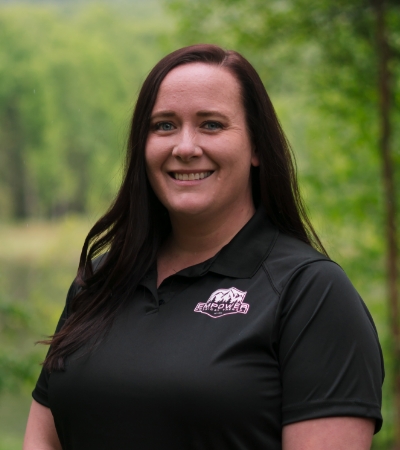
Renae Plummer
Lead New Patient Coordinator & Benefits Specialist

Hayley Lincoln
Anchorage Office Manager

Sarah Swanson
Lead Wasilla Front Office Coordinator

Joanne Schultz
New Patient Coordinator & Benefits Specialist

Haley Soares
Director of Administration
Let’s Get You Better ASAP!
Don’t let pain dictate your life. Take the first step towards reclaiming your mobility and well-being with our expert support. Start your journey to a healthier you today.