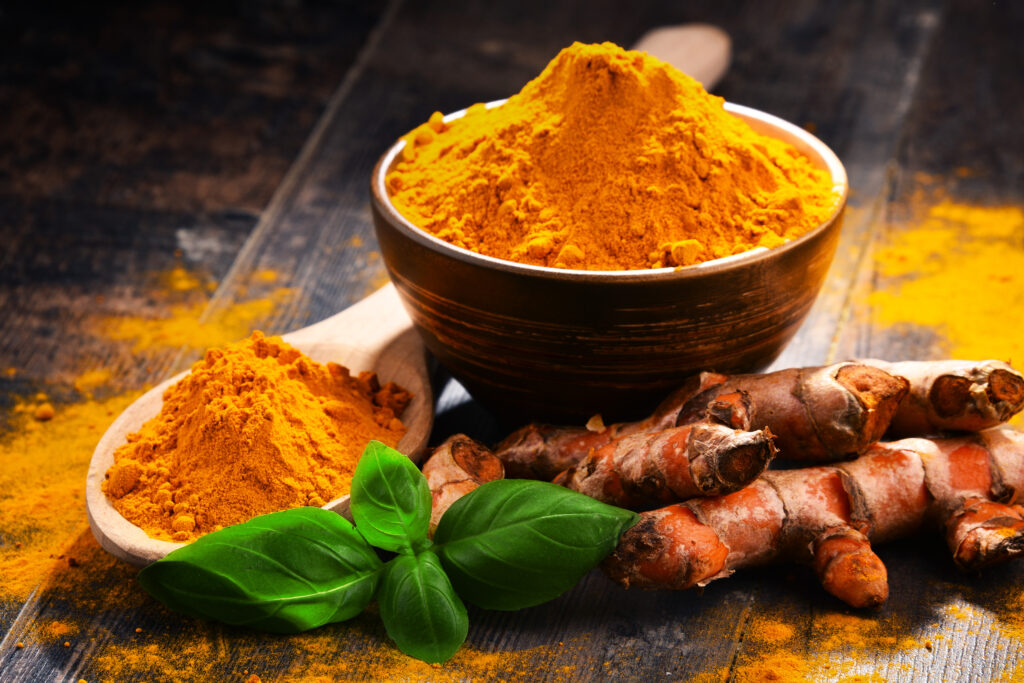

For over four thousand years, turmeric has been used as both a cooking spice and a medicinal substance (1). Making an appearance in India around 2500 BC, this spice was used for a range of purposes (2). From wound recovery and congestion reduction to small pox recuperation and shingles alleviation, turmeric played an important role in many of the cultures of South Eastern Asia (3). Today, it is gaining attraction in large portions of society as scientists begin to research the health benefits of using the spice.
Some of the most prominent advantages of turmeric are its anti-inflammatory and antioxidant properties. Inflammation in the body is a dangerous thing. Consider it like a small, brush fire. Smoldering underneath the boughs of the forest canopy, it slowly gains ground until it threatens the larger trees. Similarly, inflammation in the body slowly increases fueled by environmental factors, stress, and poor dietary choices. It is in this inflammatory environment that cancerous cells can begin to outpace the body’s ability to combat them. However, this is where turmeric can help support the body’s efforts. One of the key compounds in turmeric which aids in reducing inflammation is curcumin (4). Broadly, curcumin interrupts one of the immune system’s principle inflammatory pathways (among others) helping to moderate overall inflammation (5).
Moreover, curcumin acts as a powerful antioxidant binding to free-radicals and therefore, helps neutralize their destructive effects (6). “Wow!” you might be thinking. “How do I start taking turmeric?” There are a few ways to include this in one’s diet – the easiest being to cook with turmeric as a spice. (It seasons eggs quite nicely.) However, whether used as a spice or taken in a supplement, it is important to use black pepper when cooking, or look for supplements that contain piperine (7). On its own, curcumin is not well absorbed by the body, but when combined either with black pepper or piperine, its absorption rate increases by two thousand percent! (8, 9) Currently, turmeric’s health benefits need more research to be conclusive, but incorporating more of the orange spice in one’s diet is not such a bad idea! (10)
Michael Hollinger – CPT, PT Tech
Turmeric, the Golden Spice – Herbal Medicine – NCBI Bookshelf (nih.gov)
History of Turmeric | The History Kitchen | PBS Food Turmeric – The Ancient Healing Spice – History & Recipes (toriavey.com)
Mayo Clinic Q and A: Turmeric’s anti-inflammatory properties may relieve arthritis pain – Mayo Clinic News Network
Here’s a Quick Guide How Does Curcumin Reduces Inflammation? (rasayanam.in) [Turmeric Benefits]
Antioxidant Properties | Me First Living Ibid. Ibid. 10
Proven Health Benefits of Turmeric and Curcumin (healthline.com)
Can turmeric reduce inflammation? | UCLA Health Connect