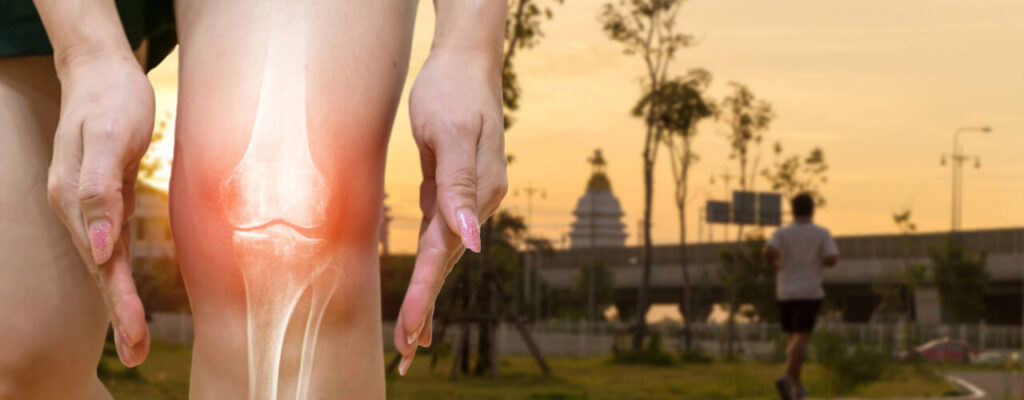

You love going for your morning run. But the last few times you’ve hit the pavement, you’ve noticed a persistent pain in your kneecap. It worsens during your run and then fades for the rest of the day. You’ve developed jumper’s knee, also known as patellar tendinitis. Fortunately, patellar tendinitis treatment is relatively easy to come by!
In fact, addressing jumper’s knee is one of the things we do at Empower Physical Therapy. We know it’s a frustrating condition that can hinder your ability to move freely and perform daily activities. However, our team offers effective solutions for managing pain and regaining mobility.
Today, we want to help you better understand patellar tendonitis by exploring its causes, symptoms, and treatment options.
What Is Patellar Tendinitis?
Patellar tendinitis is an overuse injury affecting the tendon connecting the kneecap (patella) to the shinbone. This tendon plays a vital role in helping you straighten your knee and perform activities like jumping, running, and climbing stairs.
Common Symptoms of Patellar Tendinitis
- Pain at the base of the kneecap, especially during activity
- Stiffness or discomfort after exercise
- Swelling around the knee joint
- Weakness or difficulty fully extending the leg
Understanding The Causes of Patellar Tendinitis
Patellar tendonitis develops due to overuse. Repeated strain from high-impact activities like jumping or running causes inflammation in the patellar tendon, leading to symptoms.
However, other factors can worsen this strain. Muscular imbalances in the legs, such as weak quads, can increase stress on the patellar tendon. Improper form during sports or exercises can further irritate the tendon.
Another thing to watch out for is rapidly increasing your workout intensity without proper conditioning. The sudden jump in activity levels puts a great deal of strain on your patellar tendon, leading to jumper’s knee.
How Physical Therapy Can Help
Physical therapy is a cornerstone of effective patellar tendinitis treatment. The Empower Physical Therapy therapists will develop a personalized care plan to address your discomfort at its source. We can help by…
Reducing Pain and Inflammation
Our first order of business is helping you manage the pain and inflammation in your patellar tendon so you can focus on addressing any underlying issues, such as muscular imbalances or poor form. We might start with manual therapy, which uses hands-on techniques to reduce tension and improve circulation around the knee.
Restoring Mobility and Strength
Once pain is under control, we shift our focus to building strength and mobility. This stage of treatment may include the following:
Mobility Work
- Improving the range of motion in your knee helps you move better, making it easier to correct biomechanical issues that might have contributed to your injury.
Eccentric Exercises
- Controlled lowering movements help strengthen the affected tendon and promote healing.
Strengthening Exercises
- Exercises targeting the quadriceps, hamstrings, glutes, and core help build strength to offload stress on the patellar tendon.
Correcting Movement Patterns
We’ll assess your movement mechanics to identify issues in your walking or running gait that may have contributed to the injury. We’ll then work with you to correct these issues, helping to reduce future injuries. As a bonus, you may see improvements in your performance, too!
Start Your Patellar Tendinitis Treatment Program Today!
Don’t let patellar tendinitis hold you back from the activities you love. The team at Empower Physical Therapy specializes in evidence-based treatments to help you resolve your pain, regain your strength, and prevent future episodes.
Schedule an appointment at our Wasilla, Anchorage, and Palmer, AK clinic today and take the first step toward recovery with personalized patellar tendinitis treatment.