
Written by: Michael Hollinger, CPT
Bacon, coffee, and Double Stuf Oreos. Yum! The three main food groups. Pause, stop, hold. While this might be a tempting thought, having a thorough understanding of what macronutrients are is crucial to embarking on a journey towards nutritional health. Macronutrients are the primary building blocks of nutrition consisting of carbohydrates, fats, and proteins. When discussing macronutrients, maybe you have heard statements like “If It Fits Your Macros” (IIFYM), cut carbs to lose weight, or up your protein to gain muscle. While these pieces of advice sound logical, in many ways they are built on flawed assumptions leading to diet alterations beyond what is useful or healthy. The goal of the following article is to provide a brief overview of what macronutrients are, and then in future installments, discuss each macronutrient in specific as to how the body uses them and what this means for overall, nutritional health. So pick up your fork and get ready to dive right in!
Carbohydrates
Carbohydrate. Sounds like something you might add to your car’s engine. Though this is not the case, carbohydrates are the most readily metabolized source of energy for the human body ensuring our inner engines keep running. Containing around 4 calories per gram (a calorie is a unit of energy used in nutrition), carbohydrates are a source of energy that is quickly metabolized into glucose (aka blood sugar) which the body then burns as fuel. How quickly these carbs convert into glucose determines how fast glucose levels rise in the blood. Depending on the kind and quantity of carbohydrate consumed, this rise in glucose can either be rapid or gradual, large or small. (Think of lighting dry kindling in a fire versus a large, wet birch wood round.) Common sources of carbohydrates are veggies, fruits, potatoes, oats, corn, any kind of sugar, and products made with grains like these!!

Fats
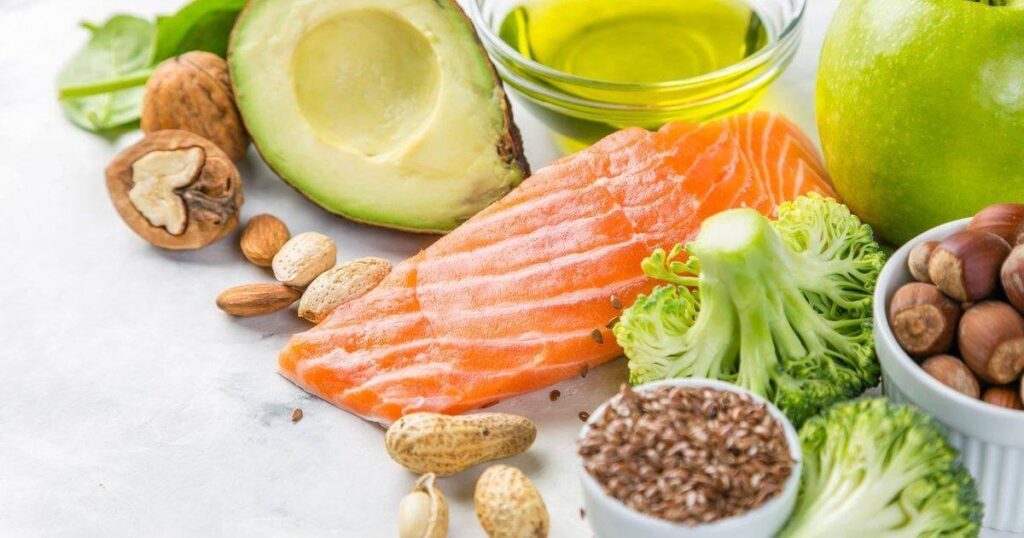
Do these fats make me look big? Not necessarily. Fats are important for many essential functions in the body. Aiding in hormonal production, nutrient transport, and inflammation reduction, fats assist the body in functioning smoothly. One gram of fat contains roughly 9 calories and is the most calorie-dense member of the macronutrient family. Like carbohydrates, fats also provide fuel for the body and at rest are the principal source of energy; however, fats are not typically utilized until muscle/blood glucose/glycogen stores are depleted as is the case in fasted states or with exercise that exceeds one hour. (It is important to note that weight loss is not a matter of burning fat specifically, but a product of reduced caloric intake and food quality.) Common sources of fats are cooking oils, nuts and seeds, red meats, eggs, dairy products, salmon, and avocados. Similar to carbohydrates, some fats are healthier to consume than others with some types of fats being detrimental to health. Typically, a diet low in trans and saturated fat but higher in unsaturated fat is optimal.

Protein
Protein is probably one of the most well-known but most misunderstood nutrients. While protein can be used for energy production in a process called gluconeogenesis, its primary functions are in cell repair, hormone production, and pH balance among others. However, this being said, eating more protein does not necessarily equate to gaining more muscle mass. In fact, your body can typically only process around 20 grams of protein in one sitting. Like carbohydrates, protein also ticks in around 4 calories per gram. Common sources of protein are meats, fish, lentils, beans, eggs, dairy products, soy products, and nuts/nut butters.

More questions about macronutrients? Reach out to us!
In order to maintain a healthy diet, one must ensure they include healthy options from each macronutrient category. Having an understanding of each macro’s purpose and function within the body can aid in selection and combination for optimal health benefits. While there is no “right” ratio for health, being conscientious of one’s nutritional choices is a great first step towards holistic health and wellbeing. Check back in for the next entry where we will be taking a deeper look at carbohydrates and how they are used in metabolism. If you have any questions regarding this, contact us today!