In the remote and rugged terrain of the Alaskan backcountry, proper stretching and techniques are crucial for preventing injuries due to the extreme physical demands and challenging environmental conditions. The harsh and unpredictable landscape often requires intense physical exertion, including climbing steep inclines, traversing uneven surfaces, and carrying heavy loads over long distances. Without adequate stretching, muscles and joints can become stiff and more susceptible to strains and sprains. Furthermore, employing correct techniques while moving and carrying gear helps distribute physical stress evenly, reducing the risk of overexertion and injury. In such a wilderness setting, where medical assistance may be hours or days away, maintaining peak physical condition through proper stretching and technique not only enhances performance but is vital for ensuring safety and minimizing the risk of debilitating injuries that could jeopardize a backcountry expedition.
Proper Backpack Loading & Adjustment:
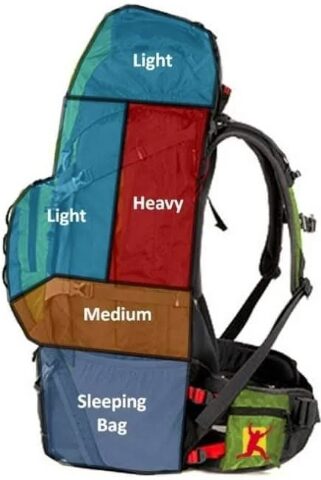
To properly load a backpack, start by placing the heaviest items, such as your tent, water surplus, and food, in the center of the pack, close to your back. This helps maintain balance and reduces strain on your shoulders. Next, pack lighter, bulkier items like sleeping bags and clothing towards the bottom of the pack to keep the center of gravity low and stable. For easy access to frequently used gear, such as snacks, maps, or a first aid kit, store these essentials in the lid and hip pockets. This organization ensures that your pack remains balanced, comfortable, and functional throughout your hike.
When adjusting your backpack, first ensure that it is the correct length for your torso: the top of the frame should align with your C7 vertebra, and the hip belt should rest comfortably on top of your iliac crest. Begin by putting on the pack and loosening all the straps. Tighten the bottom straps first to secure the pack against your hips, then gradually adjust the shoulder straps, and load lifters to achieve a snug fit. The last step is to secure your sternum strap to a comfortable tension about 1 inch below your collarbones. Make sure the cinch straps on the sides and front of the bag are tightened to minimize movement.
A well-fitted pack distributes weight evenly and reduces shifting, which can otherwise lead to increased fatigue and a higher risk of injury.
Shorter Strides:
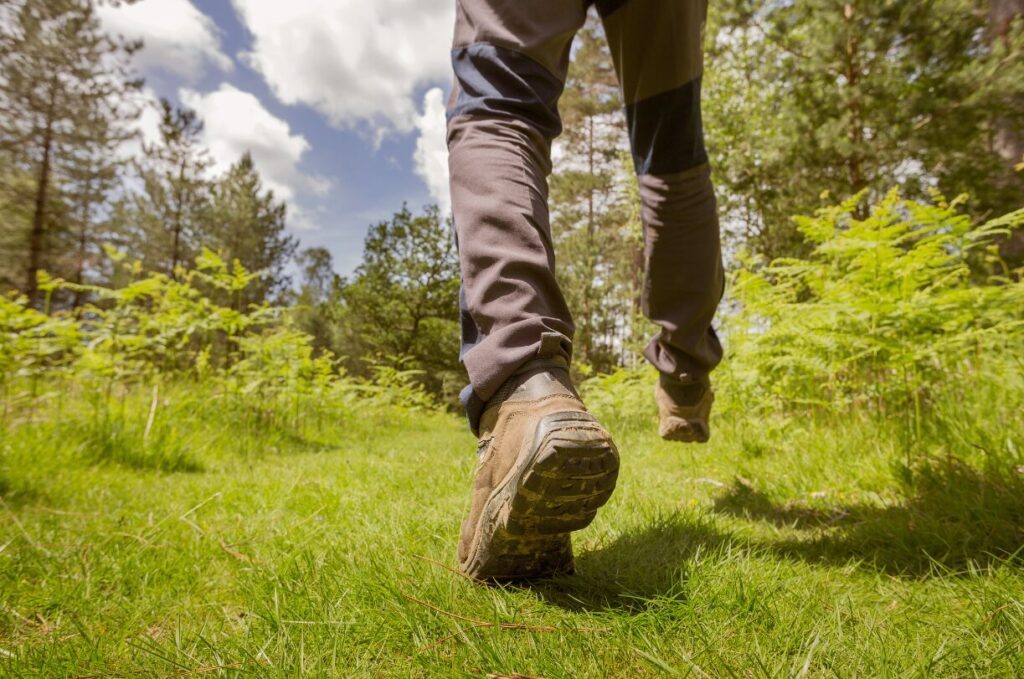
When carrying a heavy load, resist the urge to take longer strides, as this can place excessive strain on your hip flexors and lead to fatigue or injury. Instead, adopt a technique of taking shorter, more efficient steps, particularly on steep or uneven terrain. Short steps allow you to maintain better control and balance, reducing the strain on your legs and core. This approach helps in managing the load more effectively, ensuring a steadier and more sustainable pace throughout your hike. When taking shorter strides going uphill, engaging your glutes will also help reduce the strain on the rest of your legs.
Trekking Poles:
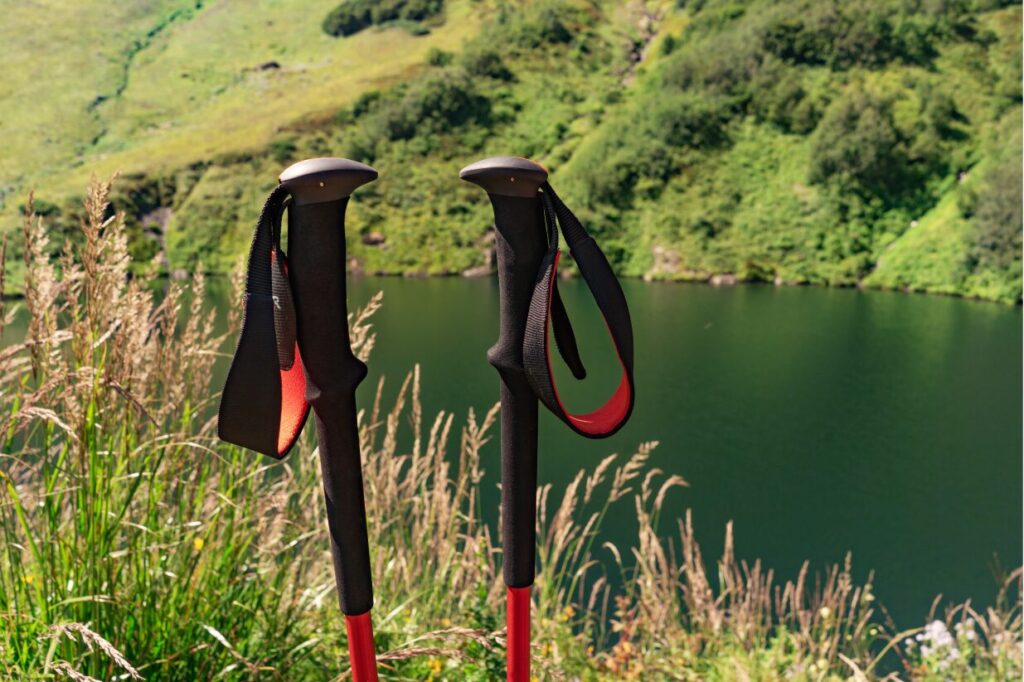
Trekking poles are an invaluable asset in the backcountry, offering significant benefits that enhance your hiking experience. They reduce strain on your legs and joints by distributing some of the load to your upper body, which can be especially helpful during long treks or steep ascents and descents. By providing additional traction, trekking poles improve stability on variable terrain, such as loose gravel or slippery surfaces, helping to prevent slips and falls. Moreover, they offer greater control and support during descents, reducing impact on your knees, and enhance your ability to navigate challenging inclines with greater strength and efficiency. Additionally, they can serve as many other purposes; the center pole for a tarp, legs for a tripod, or even serve as a splint to name a few. We like to wrap waterproof tape around ours for quick access for repairs or coverage for blisters.
Stretches to do before the hike:
Arm Circles:

Arm circles are a simple yet effective exercise that can benefit those engaging in hiking, hunting, or mountaineering. To perform arm circles, extend your arms straight out to the sides and make small, controlled circles in a forward direction for about 30 seconds, then reverse the direction for another 30 seconds. This exercise helps to warm up and increase flexibility in the shoulder joints, which is crucial for activities that involve carrying heavy packs or using trekking poles. By improving shoulder mobility and endurance, arm circles can enhance overall upper body strength and reduce the risk of shoulder strain or injury during strenuous outdoor activities.
Rotating Toe Touches:

Rotating toe touches are an effective movement for improving flexibility and core stability. To perform rotating toe touches, start by standing with your feet shoulder-width apart. Extend one leg straight out in front of you and rotate your torso towards the extended leg, reaching toward your toes with the opposite hand. Return to the starting position and switch legs, repeating the movement. This exercise engages the core muscles, enhances balance, and stretches the hamstrings and lower back. By increasing flexibility and strengthening the core, rotating toe touches help improve overall movement efficiency, reduce the risk of muscle strain, and provide better stability on uneven or challenging terrain.
Hip Swings:
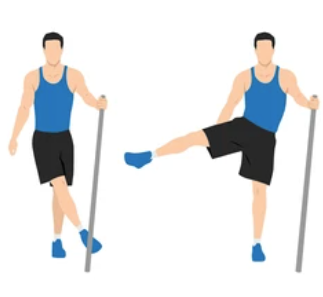
Hip swings are an excellent exercise for enhancing mobility and preparing the body for hiking, hunting, or mountaineering. To perform hip swings, stand upright and hold onto a stable surface for balance. Swing one leg forward and backward in a controlled manner, keeping the movement fluid and within your range of motion. After about 15-20 swings, switch to the other leg. This exercise helps to loosen up the hip joints and surrounding muscles, increasing flexibility and range of motion. Improved hip mobility can lead to more efficient movement, reduce the risk of strain or injury, and enhance overall stability and comfort during demanding activities, allowing for smoother, more controlled navigation through varied terrain.
High Knees:
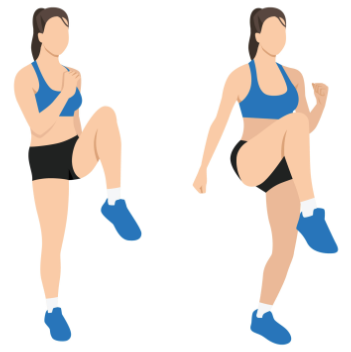
High knees are a dynamic exercise that effectively warms up and strengthens the lower body, making them especially beneficial for backcountry endeavors. To perform high knees, stand with your feet hip-width apart and, while keeping your core engaged, lift one knee as high as possible towards your chest. Alternate legs rapidly, mimicking a running motion while maintaining a brisk pace. This exercise increases cardiovascular endurance, improves hip flexor strength, and enhances overall coordination. By incorporating high knees into your routine, you can boost your leg strength and stamina, which are crucial for tackling steep inclines, maintaining balance on uneven terrain, and managing the physical demands of carrying heavy loads in the backcountry.
Calf Raises:
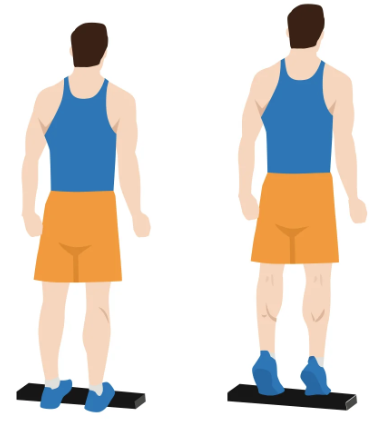
Calf raises are a fundamental exercise that can benefit anyone in the mountains. To perform calf raises, stand with your feet hip-width apart and slowly lift your heels off the ground, rising onto the balls of your feet. Hold the position for a moment, then lower your heels back down with control. For added challenge, you can perform this exercise on an elevated surface, such as a step, to increase the range of motion. Calf raises strengthen the calf muscles, which are essential for stabilizing your ankles and improving your ability to ascend and descend steep trails. Enhanced calf strength also helps in reducing fatigue and preventing injuries, providing better support for your legs during prolonged periods of physical activity and uneven terrain.